

 English
 Français
 Deutsch
 Italiano
 Русский
 Español
 Nederlandse
 Ελληνικά
 日本語
日本語
 한국
한국
 العربية
 हिन्दी
 Türkçe
 Indonesia
 Tiếng Việt
 ไทย
ไทย
 বাংলা
বাংলা
 فارسی
فارسی
 Polski
Fibra PTT de base biológica vs PET vs nylon: qual fibra sustentável tem o melhor desempenho para aplicações têxteis e de enchimento

Na indústria têxtil e não tecida mundial, a sustentabilidade já não é uma tendência, é uma exigência.melhorar a reciclagem, e adotar matérias-primas ecológicas.
Entre os materiais emergentes,Fibras PTT de base biológica (politrimetileno tereftalato)ganhou grande atenção como uma alternativa de próxima geração às fibras tradicionais à base de petróleo, como PET (poliéster) e Nylon.
A pergunta chave que os compradores e fabricantes estão a fazer hoje é:
Qual fibra funciona melhor: PTT, PET ou Nylon para aplicações têxteis e de enchimento?
Este artigo fornece uma comparação profunda, orientada por dados e otimizada E-E-A-T para ajudar compradores B2B, engenheiros de fábricas e comerciantes têxteis a tomar decisões informadas.
A Fibra PTT Biológica é uma fibra do tipo poliéster parcialmente derivada de matérias-primas vegetais renováveis, como a glicose de milho ou o 1,3-propanediol (DOP) biológico.
- Matéria-prima renovável (DOP biológica)
- Estrutura de fibras macias e elásticas
- Excelente resiliência e recuperação
- Em comparação com o PET, menor pegada de carbono
- Compatibilidade de processamento semelhante com o poliéster
- Enchimento de roupa de cama (almofadas, cobertores)
- Materiais de estofamento
- Interiores de automóveis
- Tecidos de vestuário (tessidos elásticos)
PET (polietileno tereftalato) é a fibra sintética mais utilizada no mundo.
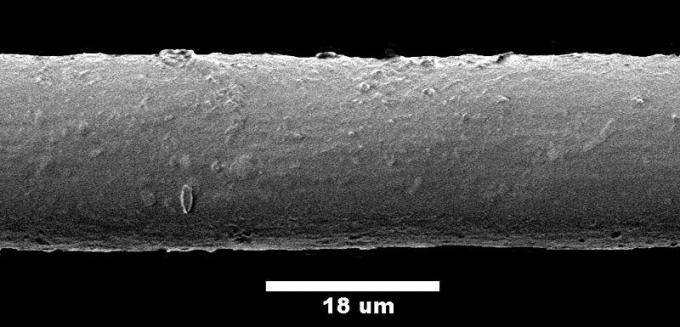
- Matéria-prima à base de petróleo
- Alta resistência e durabilidade
- Vantagem de baixo custo e produção em massa
- Elasticidade moderada
- Disponível em todo o mundo
- Tecidos para vestuário
- Tecidos para uso doméstico
- Materiais de enchimento
- Tecidos industriais
O nylon (fibra de poliamida) é uma fibra sintética de alto desempenho conhecida por sua resistência e elasticidade.
- Resistência à tração extremamente elevada
- Excelente resistência à abrasão
- Alta elasticidade
- Custo superior ao PET
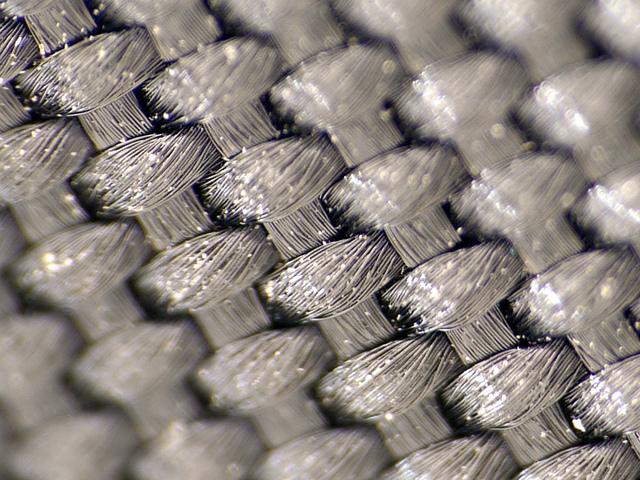
- vestuário desportivo
- Tecidos industriais
- Tecidos técnicos
- Tapetes de alta performance
Abaixo está umcomparação de nível de engenharia práticabaseados em normas industriais e dados de desempenho dos têxteis comumente citados.
Tabela de comparação do desempenho da fibra
| Imóveis | Fibras PTT de base biológica | Fibras de PET | Fibras de nylon |
|---|---|---|---|
| Fonte de matéria-prima | Bio + petro híbrido | Petroquímica | Petroquímica |
| Recuperação elástica | ⭐⭐⭐⭐⭐ Muito elevado | ⭐⭐⭐ Moderado | ⭐⭐⭐⭐⭐ Muito elevado |
| Suavidade | ⭐⭐⭐⭐⭐ Excelente | ⭐⭐⭐ Médio | ⭐⭐⭐⭐ Bom |
| Força | ⭐⭐⭐⭐ Bom | ⭐⭐⭐⭐⭐ Muito elevado | ⭐⭐⭐⭐⭐ Muito elevado |
| Resistência à abrasão | ⭐⭐⭐ | ⭐⭐⭐ | ⭐⭐⭐⭐⭐ Excelente |
| Resistência à umidade | ⭐⭐⭐ | ⭐⭐⭐ | ⭐⭐⭐ |
| Nível de custos | Médio | Baixo | Alto |
| Pontuação de Sustentabilidade | ⭐⭐⭐⭐⭐ Alto | ⭐⭐ Baixo | ⭐⭐ Baixo |
| Desempenho de tingimento | Excelente. | Muito bem. | Muito bem. |
Uma das razões mais importantes para a rápida adopção da fibra PTT Biobased é a suaElasticidade natural semelhante à de uma mola.
Em comparação com o PET:
- PTT recupera mais rapidamente após compressão
- Fornece melhor suavidade no preenchimento de aplicações
- Reduz o aplanamento de travesseiros e almofadas
Em comparação com o Nylon:
- PTT é mais suave e confortável para roupa de cama
- O nylon é mais forte, mas menos confortável para enchimento de aplicações
👉 É por isso que a PTT é cada vez mais utilizada em:
- Acessórios para uso doméstico
- Camas de luxo
- Recheio de estofados de alta qualidade
As marcas têxteis globais estão agora a dar prioridade:
- Redução da pegada de carbono
- Matérias-primas renováveis
- Conformidade com a economia circular
| Tipo de fibra | Nível de emissão de CO2 |
|---|---|
| PTT de base biológica | Baixo/médio |
| PET | Alto |
| De fibras sintéticas | Muito elevado |
A produção de fibras PTT biológicas inclui tipicamente:
- Extração de matérias-primas biológicas (glicose de milho ou matérias-primas à base de açúcar)
- Produção de bio-DOP (1,3-propanediol)
- Polimerização com PTA (ácido tereftálico)
- Fusão de filamentos ou fibras descartáveis
- Crimping e configuração de calor para aplicações de enchimento
Este processo é semelhante ao fabrico de PET, o que o torna altamente compatível com as linhas de produção de poliéster existentes.
- Fibras de PET→ Melhor para produção em massa de baixo custo
- Fibras de nylon→ Melhor para uso industrial de alta resistência
- Fibras PTT de base biológica→ Melhor equilíbrio entre sustentabilidade, conforto e desempenho
A fibra PTT biológica é atualmente o material mais equilibrado e orientado para o futuro para enchimento têxtil e aplicações têxtiles sustentáveis.
É especialmente adequado para as empresas que pretendam melhorar a sua linha de produtos paraSoluções têxteis ecológicas e de alto desempenho.

